

The Leading Causes Behind Rising Young Adult Deaths
Part 2 of a 3-Part Series
Introduction
In Part 1 of this series, we confirmed that mortality among young adults in the United States is rising at alarming rates (Ahmad et al., 2023; Centers for Disease Control and Prevention [CDC], 2023). Understanding what is driving these deaths is essential to reversing this trend.
Today, three causes dominate young adult mortality:
- Drug overdose
- Suicide
- Unintentional injury (CDC, 2023)
1. Drug Overdose: The Primary Driver
Drug overdose is now the leading cause of death for Americans ages 18–44 (Hedegaard et al., 2021; CDC, 2023). The modern overdose crisis is driven largely by:
- Synthetic opioids such as fentanyl
- Polysubstance use
- Gaps in long-term addiction treatment
- Stigma and access barriers to recovery care
Overdose deaths rose dramatically between 2015 and 2021 and remain at historically elevated levels (Hedegaard et al., 2021).
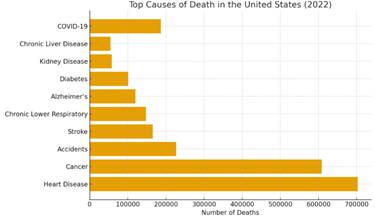
Figure 3. Top Causes of Death in the United States (2022)
Source: National Center for Health Statistics (NCHS), CDC
2. Suicide and the Mental Health Crisis
Suicide remains one of the top three causes of death among young adults (National Institute of Mental Health [NIMH], 2023). Key contributing stresses include:
- Economic instability
- Social isolation
- Digital media pressure
- Workforce burnout
- Reduced access to mental healthcare
Persistent mental-healthcare workforce shortages and long wait times further restrict access to treatment (NIMH, 2023).
3. Unintentional Injury and Risk Behavior
Unintentional injuries—particularly those related to motor vehicle crashes, firearms, and workplace accidents—remain a major contributor to young adult mortality (Rockett et al., 2018; CDC, 2023). Key risk factors include:
- Distracted driving
- Substance-impaired driving
- Firearm access
- Occupational hazards
Many of these deaths involve otherwise healthy individuals, resulting in significant years of potential life lost (Rockett et al., 2018).
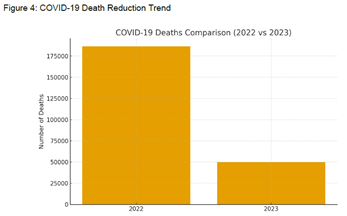
Figure 4. COVID-19 Death Comparison (2022 vs. 2023)
Source: National Center for Health Statistics (NCHS), CDC
Implications for Healthcare Strategy
These mortality drivers reflect system-level failures in prevention, behavioral-health integration, and substance-use treatment infrastructure (Hedegaard et al., 2021; CDC, 2023). Without targeted interventions, these causes will continue to drive premature mortality.
Conclusion
Young adults today are not primarily dying from disease—but from treatable, preventable, and socially mediated crises (CDC, 2023; NIMH, 2023). Reversing this trend requires coordinated efforts across healthcare, public health, education, and community systems.
Coming Next: Part 3 — “Solutions, Prevention, and the Future of Young Adult Health”
References
Centers for Disease Control and Prevention. (2023). Deaths and mortality.
Hedegaard, H., Miniño, A. M., & Warner, M. (2021). Drug overdose deaths in the United States, 1999–2020. National Center for Health Statistics Data Brief No. 428.
National Institute of Mental Health. (2023). Suicide statistics.
Rockett, I. R. H., Smith, G. S., Caine, E. D., Kapusta, N. D., Hanzlick, R. L., Larkin, G. L., … & Miller, T. R. (2018). Causes of death among young adults in the United States. American Journal of Preventive Medicine, 54(1), 1–11.